
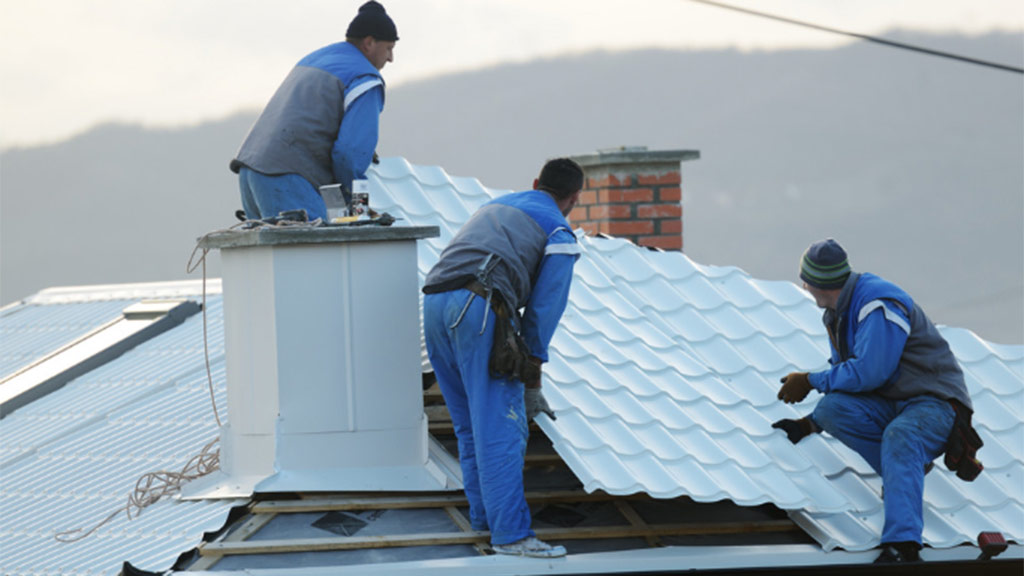
Roofs are the first line of defense against the elements, protecting your home from rain, wind, snow, and heat. However, for homes built before the 1980s, there is a possibility that roofing materials may contain asbestos — a hazardous mineral that can pose serious health risks if disturbed. Asbestos exposure is linked to lung disease and other long-term complications, making it critical for homeowners to recognize potential warning signs and follow safe procedures. Understanding how to identify, inspect, and address asbestos in your roof is essential for both safety and peace of mind.
Understanding Asbestos Types
Asbestos is not a single material but a group of naturally occurring minerals known for their durability, fire resistance, and insulation properties. According to ELSM Law, there are six different types of asbestos: chrysotile, amosite, crocidolite, tremolite, anthophyllite, and actinolite. Each type has unique properties and varying levels of risk, but all can pose health hazards if fibers become airborne and are inhaled over time.
The presence of multiple asbestos types underscores the importance of professional testing. Homeowners should never attempt to identify or remove suspected asbestos themselves. Even minor disturbances to asbestos-containing materials, such as cracking shingles or sanding old roofing tiles, can release dangerous fibers. Professionals are trained to safely handle, test, and, if necessary, remove asbestos while minimizing exposure risks. Understanding that asbestos comes in several forms also emphasizes the importance of not assuming all old roofing materials are safe simply because they look intact.
Roof Lifespan – When to Be Cautious
The age of your roof can be an important indicator of potential asbestos content. According to This Old House, the typical lifespan of a roof ranges from 20 to 50 years, depending on the roofing materials, climate, and maintenance. Homes with older roofing systems, particularly those approaching the higher end of this range, are more likely to contain asbestos-based shingles or tiles, especially if built before asbestos regulations were implemented in the late 1970s.
Signs of an aging roof, such as curling, cracked, or brittle shingles, warrant caution. Any repair or replacement work on older roofs could inadvertently release asbestos fibers into the air. Homeowners should consider having a professional inspection before undertaking repairs or renovations, particularly on roofs that have been in place for several decades. Proactive care ensures that your roof remains functional while preventing accidental exposure to hazardous materials.
Inspections – Quick Yet Critical
A professional roof inspection is one of the fastest ways to assess the condition of your roofing materials and detect potential hazards. According to This Old House, a standard roof inspection can take as little as 45 minutes, making it a convenient yet essential step in maintaining a safe home. During the inspection, professionals can evaluate structural integrity, detect damage, and identify areas that may contain asbestos.
Although the inspection is relatively brief, it provides homeowners with critical insights. If asbestos is suspected, the inspector can take properly controlled samples and recommend safe removal or containment measures. Attempting to handle suspected asbestos on your own is strongly discouraged, as even small exposures can have long-term health consequences. A professional assessment not only safeguards your family but also helps you plan for any necessary maintenance or replacement work with confidence.
By understanding the types of asbestos, recognizing signs of aging roofing, and relying on certified professionals for inspections and removal, homeowners can protect their families while maintaining a safe and durable roof. Taking these proactive steps ensures that your home remains secure, functional, and free from hidden health risks associated with asbestos exposure. Being vigilant about your roof today can prevent serious consequences tomorrow, providing both safety and peace of mind.