
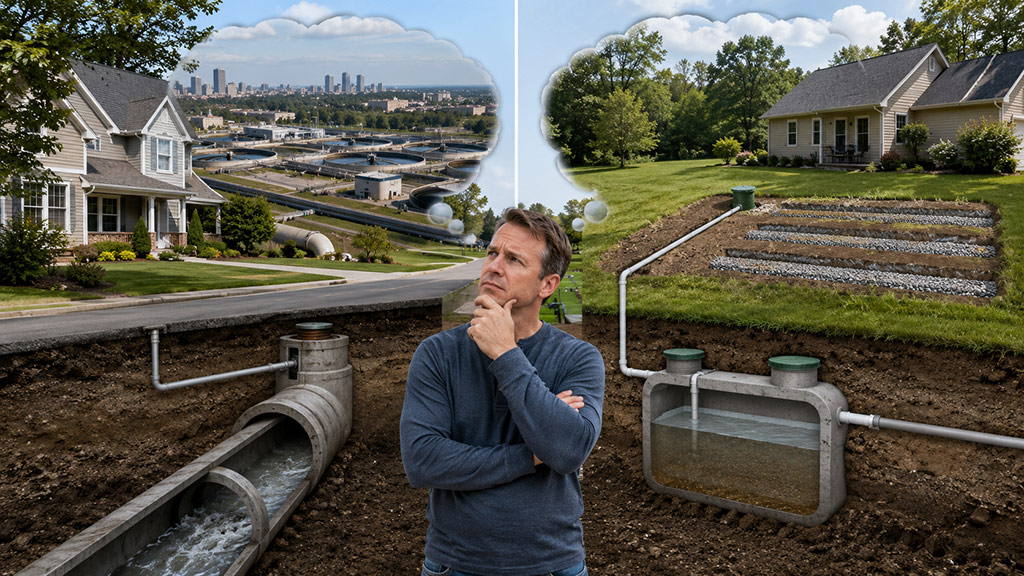
Deciding between a centralized sewage system and a septic tank for your house is an important choice that homeowners often face. Each option comes with its own set of advantages and drawbacks. Understanding these systems in greater detail can help you make an informed decision that meets your needs and the specific demands of your locality.
Overview of Centralized Sewage Systems
Centralized sewage systems are extensive networks that collect waste and water from multiple homes and transport them to a central treatment facility. This vast infrastructure in the United States alone comprises nearly 800,000 miles of public sewage pipes. As populations grow, urban areas rely heavily on these established systems to manage waste efficiently.
By connecting numerous houses into this network, centralized sewage systems can offer a seamless waste management solution for suburbs and cities. The interconnectedness ensures consistent waste handling that individual homes can depend on. However, the substantial infrastructure requires regular maintenance and upgrades to ensure uninterrupted service.
In many urban settings, centralized systems are an essential aspect of city planning. They enable developments in areas where individual septic systems would be impractical. For most residents choosing a new house in cities, the availability of a centralized sewage system is often a determining factor in choosing a neighborhood.
What You Need to Know About Septic Tanks
Septic tanks provide an alternative to centralized waste management when centralized systems are unavailable or impractical. Roughly 13.5% of households in the U.S. used septic tanks, according to Statista data from 2022. These systems are prevalent in rural areas where homes are spread farther apart.
Unlike centralized systems, septic tanks allow homeowners to manage their own waste. The system consists of a tank buried on the property, where waste gradually breaks down and percolates through the soil. This setup offers more control and reliability but requires periodic maintenance to keep operational.
Septic systems can also be more environmentally friendly because they naturally recycle water. The simpler infrastructure compared to centralized systems makes them ideal for remote houses and places with limited access to municipal water facilities. Yet, proper upkeep and soil conditions are crucial to avoid potential waste management issues.
The Technological and Practical Considerations
When choosing between sewage systems, understanding the construction and technology behind these options is valuable. Sewer lines in centralized systems require careful planning and are typically installed 2 to 6 feet underground, though colder climates may require deeper installation, as noted by This Old House. This depth prevents pipes from freezing, underscoring the importance of understanding local needs.
For homeowners, the decision may also pivot on practicality aligned with technological availability. A house located in a bustling urban area with existing sewage lines may naturally sway toward a centralized system. Conversely, new constructions or dwellings in rural areas might consider septic tanks due to the independence and cost-effectiveness they provide.
Ultimately, your choice might also be influenced by initial installation costs, maintenance requirements, and long-term sustainability of each option. Both systems have their merits and limitations, depending on regional practices, local regulations, and individual financial commitments, ensuring that each house is adequately equipped for its environment.
The debate between centralized sewage systems and septic tanks hinges on factors such as location, infrastructure, and housing requirements. As urbanization continues, centralized options will remain crucial in densely populated areas, whereas septic systems will remain a valuable alternative for rural living. Each homeowner must weigh these factors relative to their home needs. While infrastructure is a critical component, understanding local regulations and cost considerations will play a role in your choice. Evaluate your current and future plans for your home when making your decision. Ultimately, an informed choice ensures a waste management system that aligns with your home’s environmental and functional needs.