In the quest for comfortable living, understanding the essential components of a home is crucial. One such component is the furnace, a staple in many homes, especially in colder climates. This article dives into what you need to know about furnaces—their types, longevity, and prevalence in households across the United States.
The Lifespan of Your Furnace: What to Expect
One significant aspect of furnaces that homeowners should be aware of is their lifespan. Knowing how long a furnace can last is crucial for planning maintenance and replacement budgets. On average, furnaces are designed to last approximately 15 years, as highlighted by Service Titan.
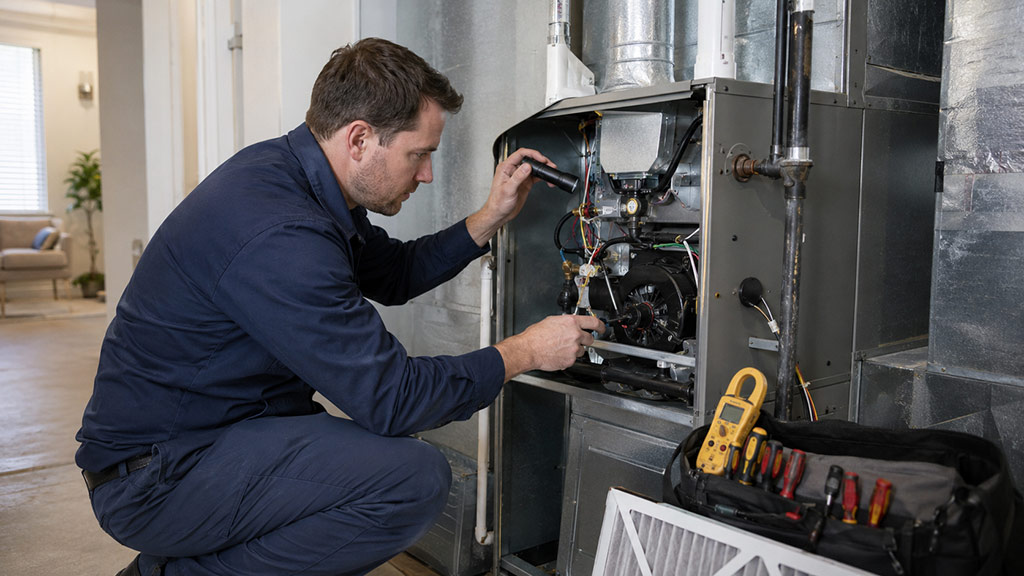
This lifespan, however, can vary based on maintenance practices and the usage patterns by the homeowners. Regular servicing and adherence to proper operational practices can help extend a furnace’s lifespan beyond expectations. Therefore, ensuring timely professional check-ups and understanding the signs of wear and tear can enhance your furnace’s longevity.
In many homes, the furnace functions as the heart of the heating system, playing a pivotal role during cold seasons. Given their integral role, analyzing their performance over the years helps inform decisions on upgrades and replacements. Planning ahead for the eventual replacement of a furnace is an essential aspect of reliable home management.
Types of Furnaces and Their Characteristics
Furnaces come in various types, each offering distinct advantages depending on the home’s needs and energy preferences. The primary categories of furnaces are electric, gas, and propane- or oil-fueled, as outlined by Forbes. Electric furnaces are popular for their efficiency and are typically easier to install.
Gas furnaces, on the other hand, stand out for their quick heating and cost-effectiveness. They are particularly favored in cooler regions and are known to provide a consistent level of warmth. Propane and oil furnaces, though similar in operation to gas furnaces, are often chosen in areas with limited natural gas supply.
The selection of furnace type often hinges on factors such as fuel availability and installation dynamics that suit the home’s design. Each type offers its own set of benefits that cater to different households. Understanding these options allows homeowners to select the most effective heating solution for their specific needs.
Gas Furnaces: A Common Choice for American Households
In the United States, gas furnaces hold a prominent place as a heating solution for numerous households. The prevalence of gas furnaces makes them a common choice due to their efficiency and cost-effectiveness in maintaining the desired level of warmth across homes. According to the Appliance Standards Awareness Project, gas furnaces are used by approximately 46% of U.S. households.
One advantage of the gas furnace is its ability to heat homes rapidly, an essential aspect during frigid winter months. This efficiency translates not only in comfort but also in economic savings for families. The widespread use of this type of furnace underscores its reliability and practicality as a central heating solution.
In addition, the infrastructure for gas heating is well established in many regions, making it a convenient option for both new constructions and existing homes. This established infrastructure supports the use of natural gas as a favored fuel source. By understanding the reasons for gas furnace popularity, homeowners can better appreciate and optimize the heating solutions available to them.
Furnaces, regardless of type, play a fundamental role in keeping homes warm and comfortable. As energy efficiency standards rise and technology evolves, the options available to consumers are expanding, offering greater heating efficiency and environmental consciousness. Homeowners now have access to furnaces that not only heat efficiently but also help in reducing the overall carbon footprint.
Innovation in furnace technology is driven by a combination of regulatory requirements and consumer demand for greener, more efficient products. These technological advancements are expected to continue influencing the development of furnaces that meet the heating needs while aligning with contemporary sustainability goals.
The future of home heating is anticipated to include more smart technology integrations, enabling homeowners to monitor and control their furnaces with greater precision. This ensures optimized energy use, ultimately benefiting both the household budget and the environment. Embracing these innovations can significantly reshape the residential heating landscape.
Understanding the role and characteristics of furnaces can greatly contribute to a comfortable and energy-efficient home. By recognizing the longevity, types, and popularity of different furnace options, homeowners are better equipped to make informed decisions. Whether it’s preparing for a furnace replacement, choosing the right type, or embracing the widespread use of gas furnaces, informed decisions ensure your home remains a cozy haven. Article complete.